Wefaceswap Blog
Uncover findings, developments, and innovative approaches transforming the world of business.
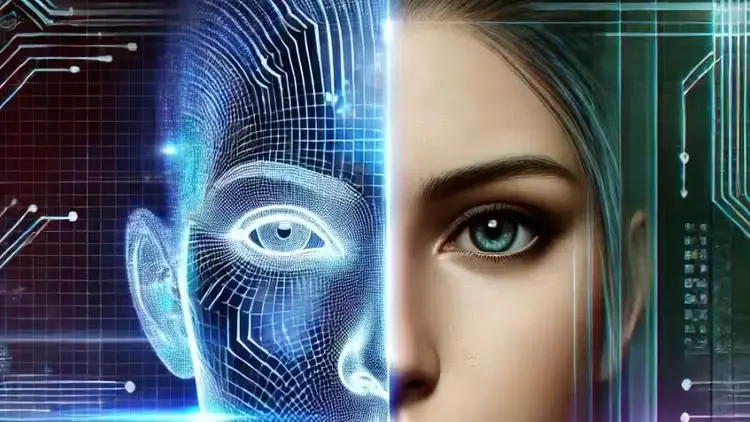
The world of video editing has evolved drastically over the past few years, thanks to the rapid advancements in artificial intelligence (AI) and machine learning. Among the most exciting innovations is the technology of video face swapping, a fascinating tool that allows users to swap faces in videos with remarkable accuracy. Whether for entertainment, content creation, or just for fun, video face swap has become a popular tool used by many around the world. In 2025, this technology has not only become more accessible but has also seen dramatic improvements in terms of quality, speed, and usability.
In this article, we will dive deep into the video face swap technology, exploring how it works, its applications, and the latest trends and developments in 2025. We will also take a closer look at the statistics that demonstrate its growing popularity and its potential future.
Understanding Video Face Swapper Technology
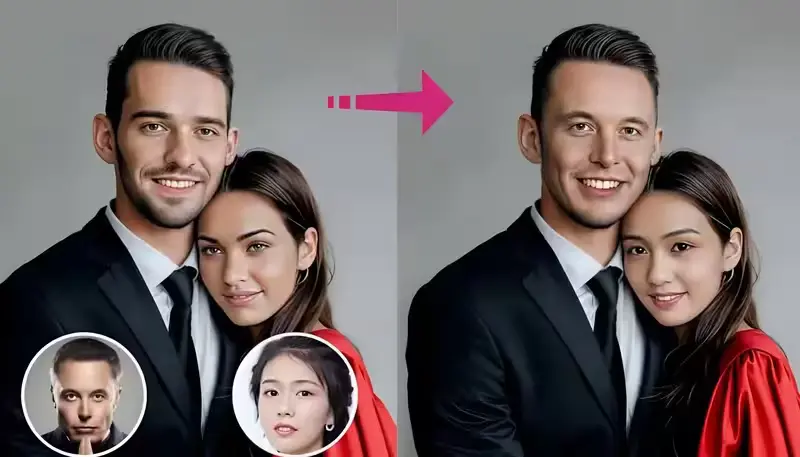
Video face swapping involves replacing the face of one person in a video with that of another, typically using AI and deep learning algorithms. In the early days of video editing, face swapping was a highly specialized skill that required advanced software and significant manual work. However, with the rise of AI-powered video face swappers, these tools have become far more accessible.
At its core, video face swapper technology works by detecting key facial features (eyes, nose, mouth, etc.) in both the source and target faces. These features are then mapped and aligned with the video, ensuring that the swapped face moves naturally and convincingly. Machine learning models, particularly Generative Adversarial Networks (GANs), play a crucial role in generating realistic results by "learning" from large datasets of faces.
Key Technologies Behind Video Face Swapping:
- Deepfake Technology: Deepfake is one of the most well-known applications of video face swapping. The term "deepfake" refers to the use of AI to create realistic images or videos of people doing or saying things they never actually did. In video face swapping, deepfakes are used to insert a person’s face into an existing video with stunning realism.
- Generative Adversarial Networks (GANs): GANs have become one of the most powerful techniques used in video face swapping. These networks consist of two neural networks that work against each other to create the most realistic images possible. One generates fake data, while the other evaluates it, ensuring the output is as close to reality as possible.
- Facial Recognition Software: Modern video face swap tools utilize advanced facial recognition algorithms to detect and align faces in videos accurately. This ensures that the swapped face matches the target's expressions and movements.
Applications of Video Face Swapping
As of 2025, the potential applications of video face swap technology are vast and continue to grow. Here are some of the most notable areas where this technology is currently being used:
Wefaceswap AI - Create Free Engaging AI Photo with Background Changer AI
- Free Background Change AI to Change Face Daily
- Change Background in Photos and Videos
- Multiple Face Swap Online Free
1. Content Creation and Social Media
Content creators and influencers have embraced video face swapping as a way to add humor, creativity, and a unique twist to their videos. By swapping their faces with celebrities, characters, or even historical figures, creators can produce highly engaging and shareable content. According to a 2025 survey, nearly 65% of social media influencers have used deepfake or face swap tools in their video content to boost engagement.
2. Entertainment and Film Industry
Hollywood has already begun incorporating video face swapper technology into major film productions. Face swapping allows filmmakers to digitally de-age actors, recreate historical figures, or even bring back deceased actors for posthumous performances. For instance, digital de-aging technology has been used to bring youthful versions of actors back on screen in movies like The Irishman (2019). In 2025, this technique has only become more sophisticated, allowing for seamless integration of digital faces into live-action films.
3. Personal Use and Entertainment
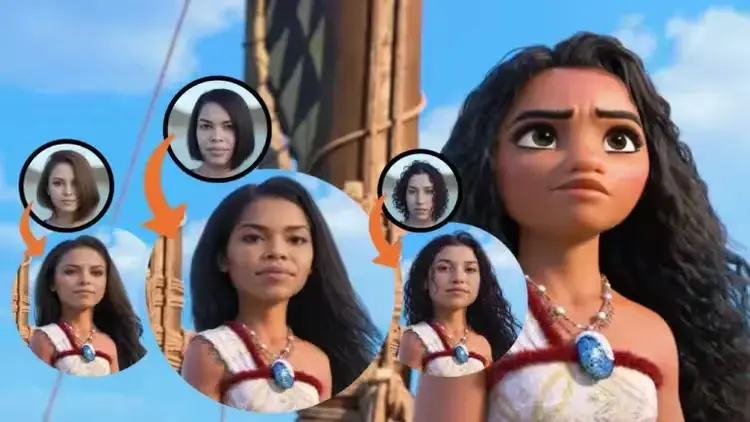
Many people enjoy creating lighthearted videos where they swap faces with friends, family, or celebrities. Apps and tools that allow for this kind of playful editing are becoming increasingly popular. In fact, mobile video face swap apps have seen a 45% increase in downloads since 2024, with millions of users worldwide trying their hand at this fun technology.
4. Advertising and Marketing
Advertisers have found that video face swapping can be an effective tool for creating highly personalized and engaging ad campaigns. By swapping the faces of well-known figures with their target audience or even using a brand’s mascot, companies can create videos that resonate more deeply with viewers. A 2025 report indicated that 32% of top marketing firms have used AI-powered face swapping in their campaigns to create compelling narratives that capture attention.
5. Virtual Reality (VR) and Augmented Reality (AR)
As VR and AR technologies continue to advance, video face swapping is being integrated to create more immersive and interactive experiences. This includes personalized avatars in virtual worlds or AR applications that allow users to place themselves into real-world environments, swapping faces with people in videos or images.
The Growth of Video Face Swapping: Latest Statistics
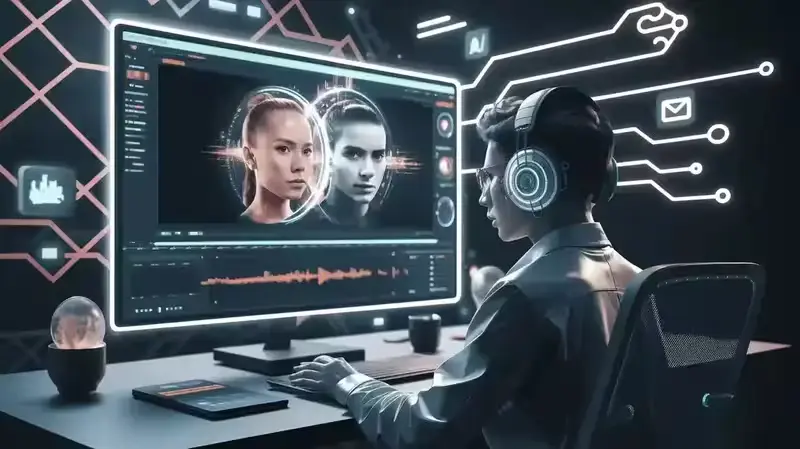
The video face swap industry has seen exponential growth in recent years, and the trend is expected to continue into 2025 and beyond. The following statistics demonstrate the increasing adoption of this technology:
- Global Market Size: The global market for deepfake technology, which includes video face swapping, is projected to grow from USD 250 million in 2024 to USD 1.3 billion by 2028, reflecting a CAGR of 40% (Source: Statista).
- Face Swap Apps: Downloads of mobile face swap apps have increased by 45% from 2024 to 2025, with over 500 million downloads globally as of early 2025 (Source: App Annie).
- Social Media Engagement: Videos utilizing face swapping technology generate 3x more engagement on platforms like Instagram, TikTok, and YouTube compared to traditional video content (Source: Social Media Today).
- AI-Powered Video Editing: Over 70% of content creators use AI-powered video editing tools, including face swapping, to enhance their video quality and reduce editing time (Source: Content Creator Insights 2025).
Ethical Considerations and Challenges
While the capabilities of video face swap technology are undeniably impressive, they also raise significant ethical concerns. Deepfake technology, in particular, has been used maliciously to create misleading videos, often for political or reputational harm. In 2025, governments and tech companies are increasingly focusing on regulating the use of face-swapping technology to prevent misuse.
Challenges:
- Authenticity and Misinformation: One of the biggest concerns with deepfakes and face-swapping videos is their potential to deceive audiences. The line between reality and fabrication becomes blurred, especially when these videos are used to manipulate public opinion.
- Consent and Privacy: The use of someone’s face in a video without their consent can be a violation of privacy rights. This is a particularly important issue in the entertainment and social media industries, where celebrities' faces are often swapped in videos.
- Legislation and Regulation: Governments are increasingly moving toward introducing laws to control the creation and distribution of deepfake content. For instance, several countries have introduced regulations requiring explicit consent for face swapping in video content, and penalties for malicious uses are becoming more common.
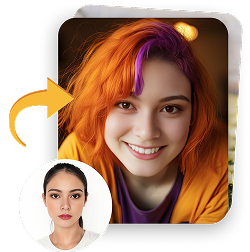
Wefaceswap AI - Create Free Engaging AI with Face Swap
- Free Face Swap AI to Change Face Daily
- Swap Faces in Photos and Videos
- Multiple Face Swap Online Free
Future of Video Face Swapping
The future of video face swapping looks incredibly promising. In 2025, we are already seeing advancements in the realism of face-swapping technology. Looking ahead, we expect several key trends to shape the industry:
- Improved Realism: As AI and machine learning algorithms continue to improve, the quality of face swaps will become nearly indistinguishable from reality. Future technologies might even allow for real-time face swapping during live broadcasts or virtual meetings.
- Increased Accessibility: The tools for video face swapping are becoming more affordable and user-friendly. By 2030, we may see face-swapping technology being commonplace in everyday apps and devices.
- Ethical and Legal Frameworks: As the technology becomes more powerful, the need for clear ethical guidelines and legal frameworks will grow. The industry will likely see more regulation and the development of technologies to detect and prevent malicious face swaps.
Conclusion
Video face swapping technology is one of the most exciting innovations in the world of video editing today. With the power of AI and deep learning, swapping faces in videos has never been easier, more accessible, or more realistic. As we move into 2025, this technology continues to expand its applications across entertainment, marketing, personal use, and more.
While face swapping offers exciting creative possibilities, it also raises important ethical and legal challenges. As the technology advances, it is crucial for industry leaders, governments, and creators to work together to ensure that it is used responsibly and ethically.
Whether you're a content creator, marketer, or just someone having fun with videos, video face swapper technology is here to stay—and it will only continue to get better.