Wefaceswap Blog
Uncover findings, developments, and innovative approaches transforming the world of business.
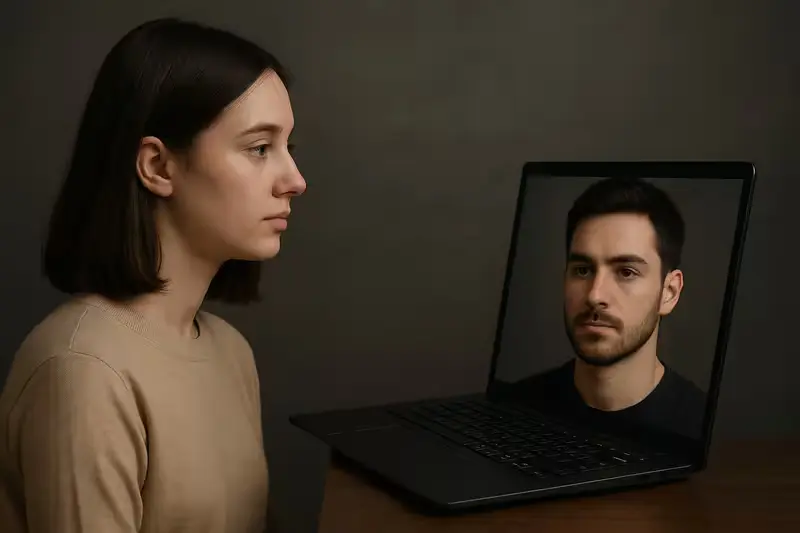
AI face swap technology is no longer just a playful internet trend—it’s becoming a powerful tool for self-reflection and identity exploration. With just one photo and a few clicks, platforms like Wefaceswap allow users to transform their appearance, sparking deeper questions about who we are and who we might become.
In this post, we’ll explore the emotional and psychological impact of AI face swap, from the thrill of becoming someone new to the deeper journey of discovering multiple facets of our identity.
1. Why Do We Seek an “Alter Ego”? – The Emotional Impact of Face Swapping
When we change our face using AI, we don’t just see a new image—we feel something. Wefaceswap lets users instantly experience what it’s like to wear a different face, leading to emotions ranging from curiosity and amusement to surprise and even slight disorientation. This reaction isn’t trivial. It reveals how tightly our identity is linked to our physical appearance.
You might look at your altered photo and ask, “Is that really me?”—a moment that triggers both psychological detachment and playful exploration. Updating your messenger profile or social media avatar with a swapped face can even change how others interact with you, making the experience socially dynamic as well.
It’s more than novelty—it’s a psychological mirror, allowing you to explore roles you’ve never imagined and stretch the boundaries of self-perception.
Wefaceswap AI - Create Free Engaging AI Photo with Background Changer AI
- Free Background Change AI to Change Face Daily
- Change Background in Photos and Videos
- Multiple Face Swap Online Free
2. Psychological Foundations – Identity, Role Theory, and Persona
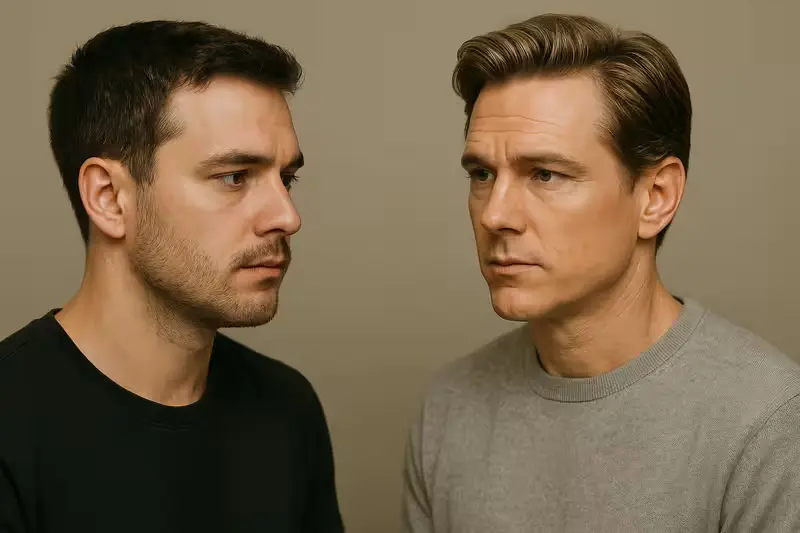
In psychology, concepts like identity, persona, and role theory are central to understanding how we present ourselves to the world. Your identity is your inner understanding of who you are. Your persona is the mask you wear in social contexts. And role theory explains how we shift our behavior based on context and expectations.
Face swap technology taps into all of these concepts. When you see yourself with a celebrity’s face or a fictional character’s look, you start to imagine an alternate version of yourself. “Would I act differently if I looked like this?” That’s where the real exploration begins.
This type of mental exercise can boost self-confidence, spark creative expression, and even uncover suppressed desires. For some, it might even act as a low stakes form of roleplay therapy.
3. Face Swap in Action: A Journey Through Emotions and Identity
Using Wefaceswap to try on different faces isn’t just fun—it’s revealing. You may discover feelings you didn’t expect. Swapping with a friend’s face might make you laugh out loud, while seeing yourself as a fictional hero or influencer could evoke a strange sense of pride or ambition.
You might imagine yourself attending a job interview, joining a dating app, or introducing yourself in a meeting—with a different face. These imagined scenarios spark internal conversations about self-worth, presentation, and identity.
Sometimes, the discomfort of seeing an unfamiliar face in the mirror can be unsettling—but in that discomfort lies opportunity. It invites you to question your attachment to your current self-image and opens a path toward deeper self-acceptance.
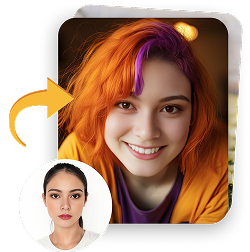
Wefaceswap AI - Create Free Engaging AI with Face Swap
- Free Face Swap AI to Change Face Daily
- Swap Faces in Photos and Videos
- Multiple Face Swap Online Free
4. Face Swap as a Tool for Expression and Emotional Healing
Face swap isn’t only a way to entertain—it can also be a form of digital self-expression and healing. For people struggling with self-image, social anxiety, or trauma, being able to temporarily step into another face can offer a safe space to experiment and reclaim confidence.
By trying out different visual identities, users are able to express suppressed emotions, release creative energy, and envision new roles for themselves—whether playful, professional, or profound.
It’s no surprise that digital creators, artists, and even therapists are beginning to explore face swap tools like Wefaceswap as part of creative therapy, identity play, and even inner child work.
5. Expert Perspectives – Exploring Identity in the Digital Age
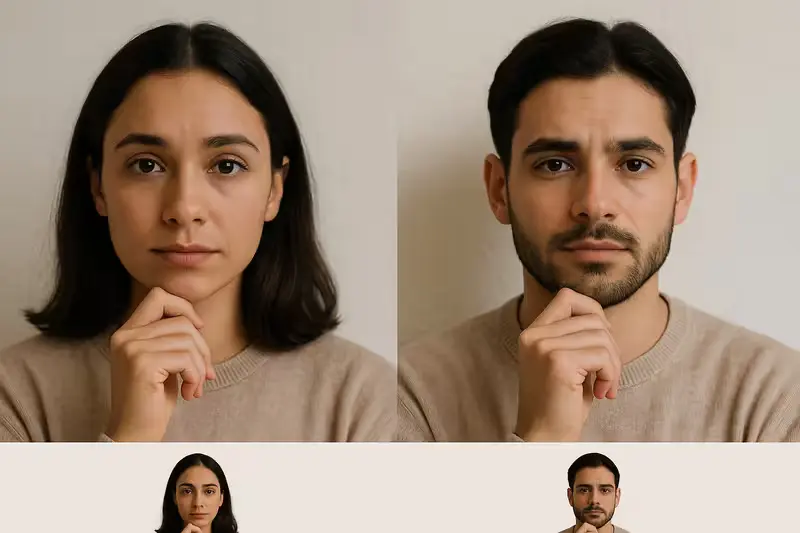
Psychologists note that identity in the digital era is more fluid than ever. Social media, filters, avatars, and now AI-generated faces allow people to test out versions of themselves that might have stayed hidden in real life.
This process of “digital identity experimentation” has become particularly relevant for Gen Z and younger millennials—generations raised in online spaces. Trying on different faces, personas, and even genders online can lead to breakthroughs in how individuals see themselves, both virtually and in the real world.
Wefaceswap makes this process accessible to everyone, offering a safe, private, and creative outlet for emotional and psychological growth.
6. Conclusion: Meet the Many Versions of You
So—what face would you try on first?
AI face swap is more than just a tech trend. It’s a unique portal into self-discovery, identity expansion, and emotional exploration. Whether you're looking to boost your creativity, explore new facets of your personality, or simply have fun with friends, Wefaceswap offers a safe and powerful tool to reimagine yourself.
Every swapped face is a doorway to a different version of you. Don’t be afraid to walk through.
Start your face swap journey today at Wefaceswap
Uncover new emotions, new identities, and new stories—one face at a time.