Wefaceswap Blog
Uncover findings, developments, and innovative approaches transforming the world of business.
Exploring the Power of Deepfake AI Image Generators: Revolutionizing Digital Creations
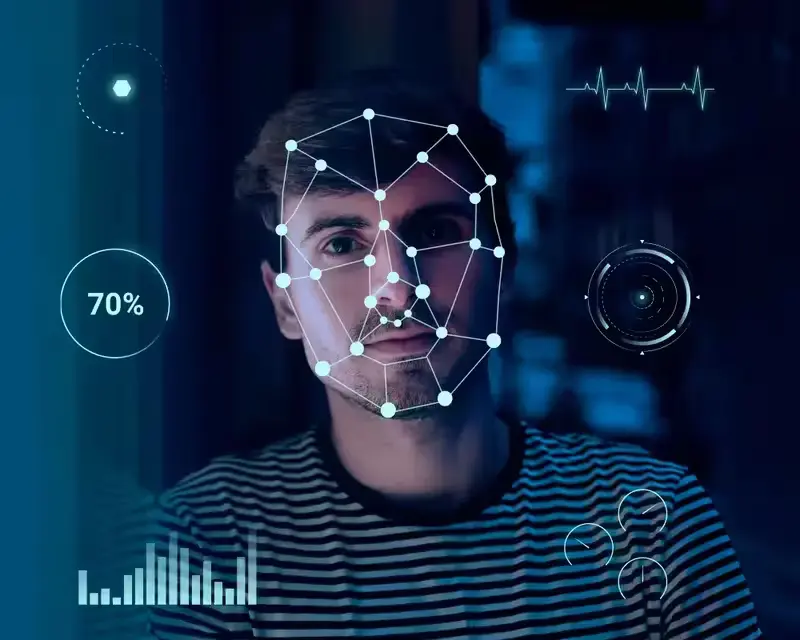
The rise of deepfake AI image generators is transforming the world of digital content creation. From entertainment to marketing, this cutting-edge technology is reshaping how visuals are created, modified, and shared. While deepfake technology often sparks controversy due to its potential for misuse, it also offers incredible potential for creative and professional uses.
In this article, we will explore how deepfake AI image generators work, their applications, ethical considerations, and provide valuable insights into finding a free deepfake maker that suits your needs. We'll also dive into the latest trends, statistics, and tips to help you navigate this evolving technology in 2025.
What is a Deepfake AI Image Generator?
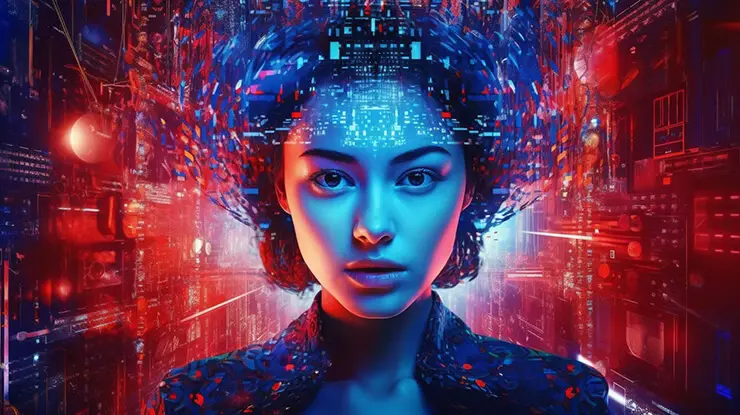
A deepfake AI image generator is an advanced tool powered by artificial intelligence (AI) and machine learning algorithms. These generators use a combination of data, neural networks, and computer vision techniques to create hyper-realistic images that can be modified or generated from scratch. The technology behind deepfake AI has rapidly evolved, enabling users to produce images and videos with astonishing accuracy.
At the core of this technology is a system called Generative Adversarial Networks (GANs), where two neural networks work in opposition to each other. One network generates images, while the other evaluates their authenticity, pushing the generator to improve continuously. The result? AI-generated content that can be indistinguishable from real photos or videos.
The Applications of Deepfake AI Image Generators
1. Entertainment and Media
The entertainment industry has been quick to adopt deepfake AI image generators for special effects, creating lifelike characters, de-aging actors, or even resurrecting stars who have passed away. This technology allows for more realistic and immersive storytelling, reducing the need for expensive makeup or CGI.
2. Marketing and Advertising
For businesses, deepfake technology can be used to create personalized marketing campaigns. Imagine an AI generating an ad where your favorite celebrity endorses a product, or a digital avatar of a CEO speaking directly to customers. With the help of deepfake AI image generators, brands can engage consumers in novel and impactful ways.
3. Virtual Influencers
Virtual influencers are AI-generated personalities that look and act like real human beings. These avatars are designed using deepfake AI technology and are becoming increasingly popular on social media platforms. Companies use these virtual personalities for brand promotion, as they are customizable and do not have the same restrictions as human influencers.
4. Education and Research
In the world of education, deepfake AI technology is used to create lifelike simulations for training purposes. From medical training to history lessons, deepfake-generated images and videos can bring educational materials to life, offering students a more immersive learning experience.
5. Personalized Content Creation
One of the most exciting aspects of deepfake AI image generators is their ability to offer personalized content. Users can create digital versions of themselves or others in any context, whether it's swapping faces in photos, generating avatars for video games, or enhancing social media posts.
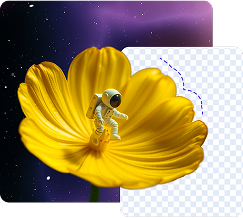
Wefaceswap AI - Create Free Engaging AI Photo with Background Changer AI
- Free Background Change AI to Change Face Daily
- Change Background in Photos and Videos
- Multiple Face Swap Online Free
The Ethical Considerations of Deepfake AI Image Generators
As exciting as deepfake technology is, it also raises important ethical questions, especially regarding its potential for misuse. Here are some of the primary ethical concerns surrounding deepfake AI image generators:
1. Privacy Violations
One of the biggest concerns is the unauthorized use of someone's likeness. Deepfakes can be created using publicly available images or videos, making it easy to generate fake content without the consent of the individual involved. This raises questions about consent, ownership, and privacy rights.
2. Misinformation
Deepfake images and videos are often used to spread misinformation or create malicious content. For example, AI-generated images of politicians or celebrities can be doctored to spread false narratives or cause harm to reputations. This has prompted governments and tech companies to explore ways to detect and mitigate the spread of deepfakes.
3. Cybersecurity Threats
Deepfake technology can also be used in cyberattacks, such as phishing schemes where AI-generated voices or videos are used to impersonate trusted individuals. This can lead to security breaches, fraud, and identity theft.
4. Legal and Regulatory Challenges
As deepfake technology evolves, it’s crucial to establish legal frameworks to address its use and potential misuse. Laws regarding defamation, privacy, and intellectual property are often challenged by the rise of deepfake content, leading to a need for updated regulations.
Latest Trends and Statistics in 2025
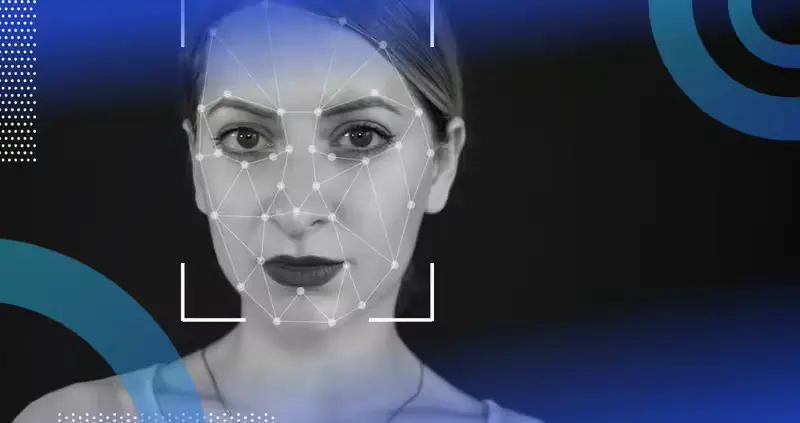
As of 2025, deepfake AI technology continues to advance rapidly, and its applications are expanding across various industries. Here are some of the latest trends and statistics:
- Growth of the Deepfake Industry The global deepfake detection market is expected to grow at a compound annual growth rate (CAGR) of 28.2%, reaching a market size of $4.5 billion by 2027. This growth is driven by the increasing use of deepfake technology in entertainment, marketing, and cybersecurity.
- Deepfake Detection Advancements With the rise of deepfake technology, there has also been a significant push for detecting fake content. AI-based tools for detecting deepfakes have improved, with detection accuracy now reaching up to 98% in some cases.
- Deepfakes in Business A survey by PwC revealed that 35% of global businesses have used AI-generated content in their marketing strategies in 2025, with an additional 18% planning to adopt deepfake technology for brand engagement in the near future.
- Ethical Guidelines and Industry Standards In response to the ethical concerns surrounding deepfakes, industry organizations are developing ethical guidelines for creators and platforms. These guidelines emphasize transparency, consent, and accountability in the use of deepfake technology.
- Rise of Deepfake for Social Media Influence The use of deepfake avatars and influencers on social media platforms has surged, with over 25% of influencer marketing campaigns in 2025 utilizing AI-generated personalities, according to a report by Social Media Today.
Tips for Creating Ethical and Responsible Deepfake Content
If you’re interested in using deepfake AI image generators for your personal or professional projects, it’s important to follow ethical guidelines to ensure that your content is responsible and respects others' rights. Here are some tips for creating deepfake content ethically:
- Obtain Consent Always get permission before using someone’s likeness in your deepfake creations. Consent is crucial, especially when using someone’s face or voice in your content.
- Disclose AI Usage Transparency is key when creating deepfake content. Always disclose that the image or video is AI-generated to avoid misleading your audience.
- Use Deepfake for Positive Purposes Focus on creating content that educates, entertains, or promotes positive messages. Avoid using deepfakes for malicious purposes, such as spreading fake news or creating harmful content.
- Respect Copyright Laws Ensure that you are not violating any intellectual property rights when using images, videos, or audio in your deepfake creations. Only use content that is either your own or licensed for use.
- Stay Informed on Legal and Ethical Guidelines As deepfake technology evolves, so do the legal and ethical frameworks surrounding it. Stay updated on the latest laws and guidelines to ensure that your use of deepfake technology remains compliant with current standards.
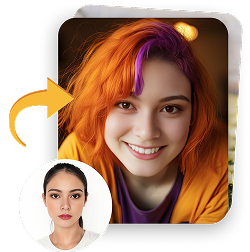
Wefaceswap AI - Create Free Engaging AI with Face Swap
- Free Face Swap AI to Change Face Daily
- Swap Faces in Photos and Videos
- Multiple Face Swap Online Free
Conclusion
Deepfake AI image generators are revolutionizing the way we create and consume digital content. Whether you're an artist, marketer, or simply someone interested in exploring this fascinating technology, the potential for creativity and innovation is vast. However, with great power comes great responsibility. It's important to use deepfake technology ethically and responsibly to avoid its misuse and harm.