Wefaceswap Blog
Uncover findings, developments, and innovative approaches transforming the world of business.

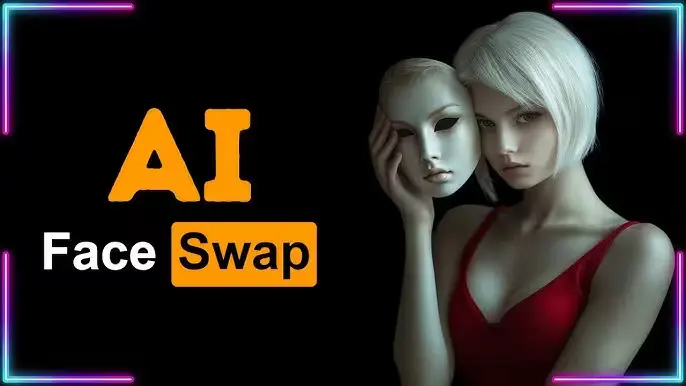
In today's rapidly evolving digital landscape, image manipulation technologies have reached remarkable levels of sophistication. Among these innovations, face swapper applications have gained significant popularity, with platforms like wefaceswap.com leading the way as a free deepfake maker for users worldwide.
What Is WeFaceSwap?
WeFaceSwap.com presents itself as an accessible platform that allows users to exchange faces between images using artificial intelligence technology. As a free deepfake maker, it appeals to both casual users looking for entertainment and those interested in exploring the capabilities of modern image manipulation tools without technical expertise.
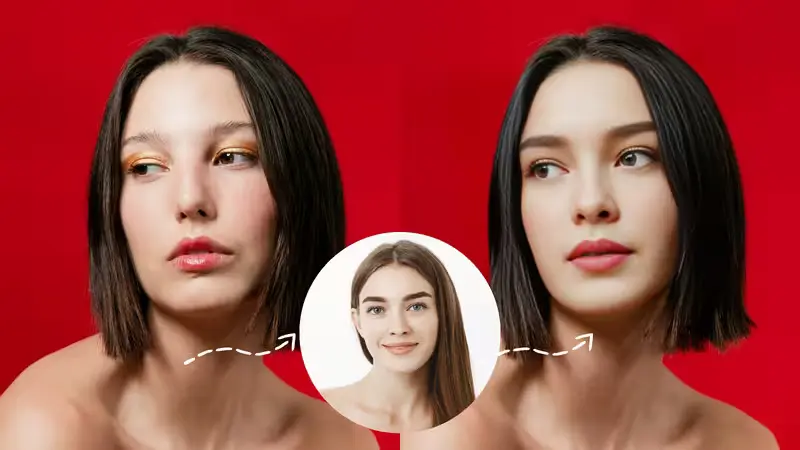
The concept behind this face swapper is straightforward: users upload two images—a source image containing the face they want to use and a target image where they want the face to appear. The AI then processes these images, creating a new composite that seamlessly integrates the source face onto the target image.
How Face Swapping Technology Works
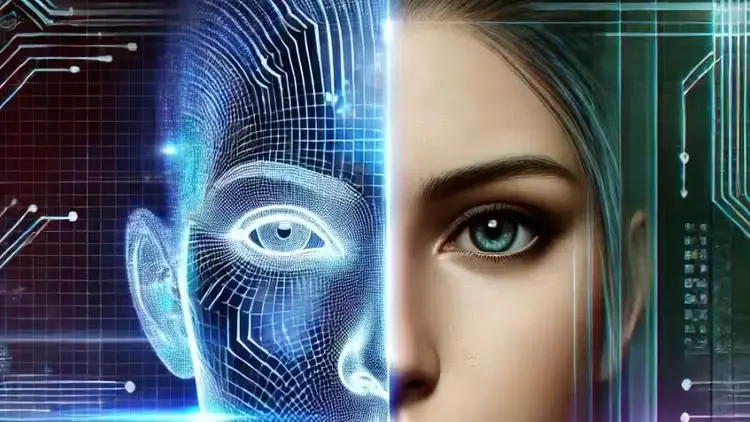
Behind the seemingly simple interface of tools like WeFaceSwap lies complex technological infrastructure. Modern face swapper applications utilize deep learning algorithms, specifically convolutional neural networks (CNNs), to analyze facial features and structures.
The process typically follows these steps:
- Face Detection: The AI identifies and locates faces within both the source and target images.
- Landmark Mapping: Key facial features (eyes, nose, mouth, etc.) are mapped to understand the structure of each face.
- Alignment: The source face is aligned to match the angle and position of the target face.
- Color Matching: The system adjusts the color tones to create a natural blend.
- Seamless Integration: Advanced algorithms create a realistic composite by smoothing edges and adjusting shadows.
What makes platforms like WeFaceSwap interesting is their ability to perform these complex operations without requiring users to understand the underlying technology. As a free deepfake maker, it democratizes access to technology that was once available only to professionals with specialized equipment and training.
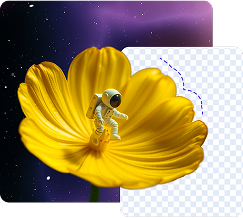
Wefaceswap AI - Create Free Engaging AI Photo with Background Changer AI
- Free Background Change AI to Change Face Daily
- Change Background in Photos and Videos
- Multiple Face Swap Online Free
Creative and Practical Applications
While often associated with entertainment, face swapper technology has several legitimate applications:
Entertainment and Humor
Creating funny composites by swapping faces with celebrities, historical figures, or friends remains the most common use case. Many users visit wefaceswap.com simply to create amusing images to share with friends or on social media.
Educational Purposes
In educational settings, these tools can make history more engaging by letting students "meet" historical figures or better understand concepts of digital manipulation and media literacy.
Visual Arts and Creative Expression
Artists and content creators use face swapper technology to experiment with new visual concepts or create thought-provoking work that challenges perceptions of identity.
User Experience Testing
Designers sometimes use face swapping to test how different demographics might interact with products or interfaces without needing diverse test groups.
Ethical Considerations and Responsible Use
The accessibility of free deepfake maker technology like WeFaceSwap brings important ethical questions into focus. While the technology itself is neutral, its applications require careful consideration:
Consent and Privacy
Using someone's likeness without permission raises significant privacy concerns. Responsible users should always obtain consent before swapping someone's face or sharing the resulting images.
Misinformation Potential
As face swapper technology becomes more realistic, there's increasing potential for misuse in creating misleading content. Users should be mindful of how their creations might be interpreted if shared without context.
Digital Literacy
The emergence of accessible free deepfake maker tools highlights the growing importance of digital literacy. Understanding that images can be manipulated is becoming an essential skill in navigating today's information landscape.
Legal Implications
While using wefaceswap.com for personal entertainment may seem harmless, creating and sharing manipulated images of others without permission could potentially violate privacy laws or image rights in some jurisdictions.
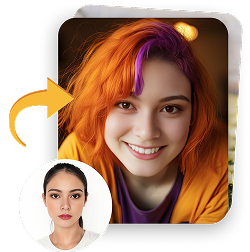
Wefaceswap AI - Create Free Engaging AI with Face Swap
- Free Face Swap AI to Change Face Daily
- Swap Faces in Photos and Videos
- Multiple Face Swap Online Free
The Future of Face Swapping Technology
As AI continues to advance, we can expect face swapper technology to become even more sophisticated. Future developments might include:
Real-time Capabilities
Live face swapping during video calls or streaming could become seamless and instantaneous.
Enhanced Realism
Future iterations of free deepfake maker technology will likely produce results that are increasingly difficult to distinguish from authentic images.
Broader Integration
Face swapping features may become standard in mainstream photo and video editing applications rather than standalone services.
Authentication Measures
As the technology improves, we'll likely see parallel development of authentication tools that can verify unaltered images and detect manipulated content.
Making the Most of WeFaceSwap
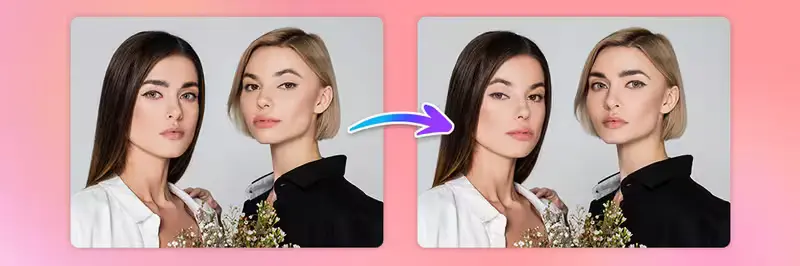
For those interested in exploring this face swapper technology, here are some tips for optimal results:
- Choose High-Quality Images: Clear, well-lit photos with unobstructed faces yield the best results.
- Similar Angles Work Best: Select images where faces are at similar angles for more natural-looking swaps.
- Be Patient With Processing: Complex AI operations take time, especially on free platforms with limited resources.
- Respect Others: Always consider how others might feel about having their faces used in manipulated images.
Conclusion
Platforms like wefaceswap.com represent the democratization of powerful image manipulation technology. As a free deepfake maker, it offers fascinating possibilities for creativity and entertainment while simultaneously raising important questions about digital ethics and media literacy.
Whether you're exploring face swapping for fun, creative projects, or educational purposes, understanding both the capabilities and responsibilities associated with this technology is essential. As face swapper tools continue to evolve, so too will our societal frameworks for their ethical use.
The journey of image manipulation technology remains in its early stages, and tools like WeFaceSwap are just the beginning of what promises to be a transformative evolution in how we create, share, and interpret visual media in the digital age.